
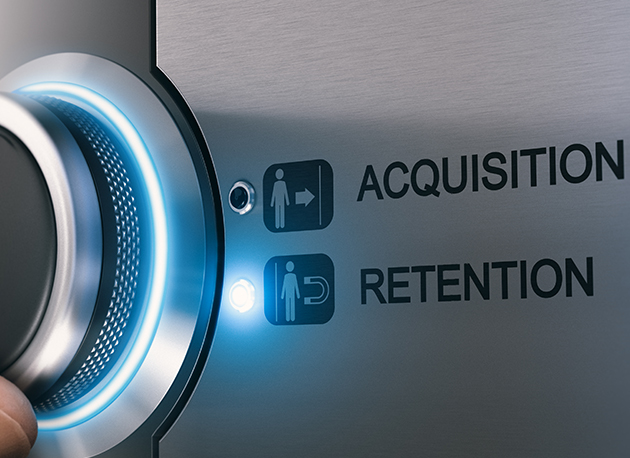
For years, growth in the HVAC and plumbing industry has largely been driven by one objective: generate more leads. Contractors increased ad budgets, expanded direct mail campaigns, invested heavily in SEO, and pushed harder into digital advertising in hopes of keeping the call board full.
That strategy became the standard because, for a long time, it worked.
Today, the economics of customer acquisition look very different. Lead costs continue rising as competition intensifies across Google Ads, Local Service Ads, and other digital platforms. Private-equity-backed contractors are entering more markets with aggressive marketing budgets, while homeowners are spending more time researching, comparing reviews, and contacting multiple companies before making decisions.
As acquisition costs climb, many contractors are overlooking the most valuable asset they already own: their existing customer database.
According to Frederick Reichheld of Bain & Company, increasing customer retention by just 5% can increase profits anywhere from 25% to 95%. Research from Marketing Metrics also found the probability of selling to an existing customer ranges between 60–70%, while the probability of selling to a new prospect often falls between 5–20%.
In other words, the customers you already have are dramatically easier—and cheaper—to sell to than the ones you are still trying to acquire.
The financial impact of retention becomes even more significant in home services because repeat customers typically spend more over time. A homeowner who initially called for a repair may later purchase a maintenance membership, IAQ upgrades, a water filtration system, or eventually a full HVAC or plumbing replacement.
Contractors with strong retention systems understand this well.
For example, many companies now use automated maintenance reminders and seasonal email campaigns to keep memberships active year-round. Others are using segmented customer databases to target homeowners with aging systems, promoting replacement financing before emergency breakdowns occur. Some contractors have even built dedicated reactivation campaigns targeting customers who have not scheduled service in two or three years, generating substantial revenue from homeowners who had simply gone quiet.
The reason these strategies work is simple: familiarity drives trust.
According to Forbes, customers who feel connected to a brand are more than twice as valuable as highly satisfied customers because they purchase more frequently, demonstrate stronger loyalty, and are more likely to recommend the company to others.
That is changing the way many successful contractors approach marketing strategy.
Instead of focusing exclusively on lead generation, more companies are investing in retention systems designed to maximize the lifetime value of every homeowner they already paid to acquire. That includes:
- Membership communication campaigns
- Seasonal maintenance reminders
- Email marketing
- Customer reactivation campaigns
- Direct-mail follow-up
- Financing promotions
- Referral programs
- SMS communication and review requests
The goal is no longer simply generating the next call. It is building long-term customer relationships that create predictable recurring revenue over time.
Many private-equity-backed home-service companies understand this especially well. Retention-focused businesses often produce stronger profitability, more stable cash flow, and higher long-term company valuations because they rely less heavily on constantly replacing lost customers.
In many ways, a contractor’s customer database has evolved from a contact list into a true business asset.
A well-managed customer base helps contractors:
- Fill shoulder seasons more efficiently
- Improve maintenance membership retention
- Increase repeat business
- Generate more referrals
- Reduce dependence on expensive lead sources
- Improve replacement opportunities
- Strengthen long-term brand familiarity
Unfortunately, this is where many contractors still fall behind. Significant money gets spent generating leads, but very little attention is given to maintaining communication after the invoice is paid. Months or even years pass without follow-up, while competitors continue reinforcing their presence through consistent communication and brand visibility.
The companies creating the strongest long-term growth today are thinking differently. Instead of constantly asking, “How do we generate more leads?” they are beginning to ask a far more valuable question:
“How do we increase the value of the customers we already have?”
That shift changes the entire economics of growth.
For example, imagine a contractor spends $450 to acquire a new customer through Google Ads and Local Service Ads. If that homeowner only calls once for a $350 repair, the math becomes difficult quickly. However, if that same customer is converted into a maintenance member, receives consistent follow-up communication, and later purchases a system replacement or additional plumbing services, the long-term revenue generated from that single lead can grow into several thousand dollars over time.
That is why many successful contractors are placing greater emphasis on retention marketing instead of relying entirely on constant lead generation. A company with strong customer retention can often grow revenue faster while spending less on acquisition because repeat customers require less marketing effort to convert and typically produce higher lifetime value.
Over time, those economics compound. Contractors with strong retention systems create more predictable cash flow, stronger off-season stability, higher membership renewal rates, and a customer base that continues generating revenue long after the original lead cost has been recovered.
Summer Customer Retention Kits are now available.
Request yours by emailing [email protected].