
A contractor once told me, “We do great work. If customers need us again, they’ll call.”
I didn’t argue with him — because on the surface, that sounds reasonable. You show up on time, fix the problem, treat people fairly. Why wouldn’t they call you again?
But here’s the reality most business owners don’t like to hear: good work alone doesn’t guarantee loyalty.
Not because homeowners are ungrateful — but because life gets busy. People forget. And if you’re not staying in touch, someone else will gladly step into that space.
Customer retention isn’t glamorous. It doesn’t feel as exciting as chasing new leads or launching a new ad campaign. But it is, without question, one of the most profitable strategies in your business.
In fact, studies show that increasing customer retention by just 5% can increase profits anywhere from 25% to 95%. That’s not theory — that’s math.
So why do so many contractors ignore it?
The Myth of the “Loyal Customer”
Most contractors believe loyalty is automatic. That if someone had a good experience, they’re locked in forever.
But research tells a different story. Nearly 70% of customers who stop using a business say they left because they felt ignored, not because of a bad experience.
Ignored doesn’t mean mistreated.
It means forgotten.
No reminders.
No check-ins.
No communication.
No reason to remember your name when something breaks again.
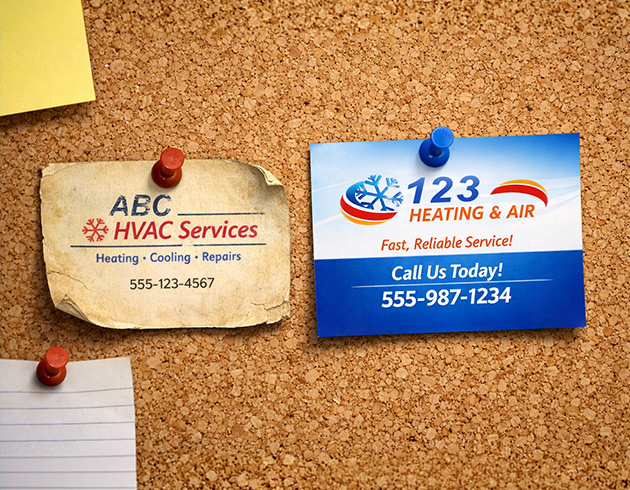
And when that moment comes — when the AC stops working or a breaker keeps tripping — homeowners don’t dig through old invoices. They grab their phone and call the company they’ve seen most recently.
Retention Is a System, Not a Feeling
Customer retention doesn’t happen accidentally. It happens when you build systems that keep your company visible and valuable long after the job is done.
The strongest retention programs include:
- Consistent communication - Monthly emails, seasonal reminders, and helpful content that reinforces your expertise.
- Maintenance agreements - Customers on maintenance plans are far more likely to call you first — and far less likely to shop around.
- Post-service follow-up - Thank-you messages, review requests, and reminders that position you as professional and reliable.
- Education, not selling - When customers understand why maintenance, upgrades, or IAQ matter, they’re more likely to act — and trust your recommendations.
Retention isn’t about pestering people. It’s about staying relevant.
The Cost of Chasing Only New Leads
Here’s another number worth paying attention to: acquiring a new customer costs 5–7 times more than retaining an existing one.
That means every customer who quietly drifts away costs you far more than you realize. Not just in lost revenue — but in wasted marketing spend trying to replace them.
Think about it:
You already paid to get their attention.
You already earned their trust.
You already did the hard part.
Retention is simply protecting that investment.
March Is the Moment to Lock It In
As busy season approaches, retention often gets pushed aside. Phones ring, schedules fill, and communication becomes reactive.
But March is the sweet spot.
It’s when you still have breathing room.
It’s when customers are thinking ahead.
It’s when proactive outreach actually gets noticed.
The contractors who win long-term don’t wait until they’re slow to reconnect — they do it before they’re busy.
Retention Builds More Than Revenue
Strong retention doesn’t just drive repeat business. It drives referrals.
Referred customers have higher trust, higher close rates, and higher lifetime value. And referrals don’t come from one-off jobs — they come from ongoing relationships.
The best marketing you’ll ever have is a customer who remembers you, trusts you, and talks about you when your name isn’t even in the room.
Retention makes that possible.
Final Thought
If you’re focused only on new leads, you’re leaving money on the table.
If you’re not communicating with past customers, you’re letting relationships expire.
And if you don’t build a retention system now, busy season will decide for you.
The strongest businesses aren’t the ones chasing the most leads — they’re the ones keeping the customers they worked so hard to earn.
Complimentary Customer Retention Kits are available.